
How to Choose the Best Picnic Blanket: Size, Material & Waterproofing Guide

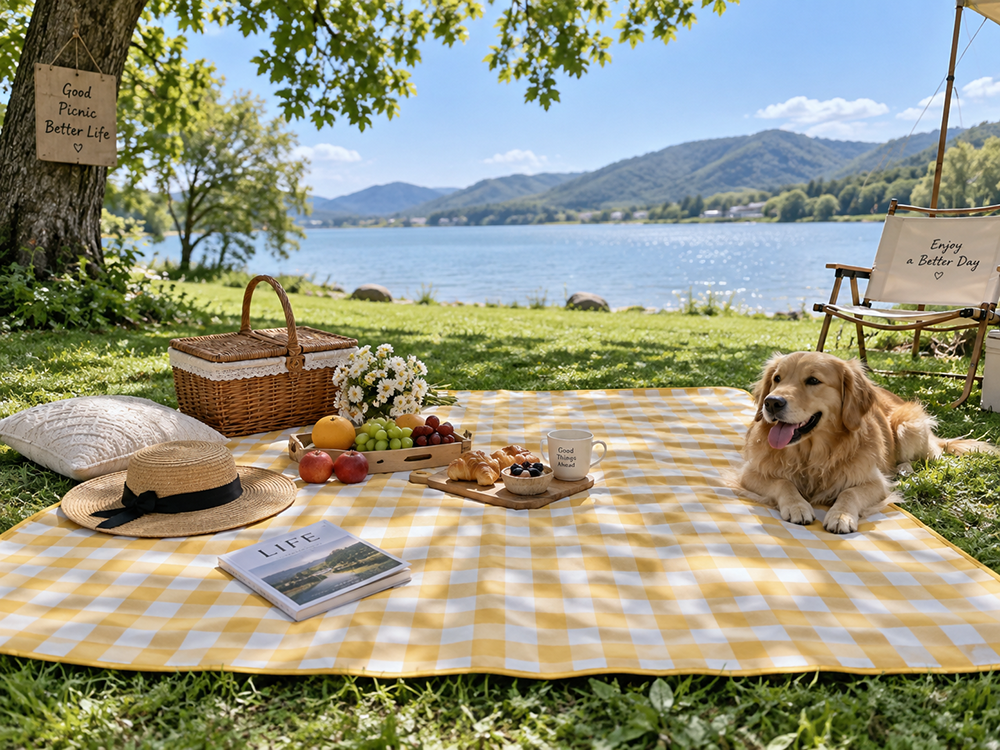
Choosing the right picnic blanket can make outdoor activities more comfortable and convenient. Whether you are planning a picnic in the park, a family day outdoors, a camping trip, or a weekend at the beach, the right blanket should provide enough space, comfort, durability, and protection from damp ground.
With a range of sizes, materials, and waterproof constructions available, understanding the key features can help you choose a picnic blanket that suits your needs.
What Should You Look for in a Picnic Blanket?
A good picnic blanket should balance comfort, durability, portability, and protection from the ground.
Before choosing one, consider where you will use it most often, how many people need to sit on it, and how easy it is to carry and clean.
The most important factors include:
- Size and seating capacity
- Surface material
- Waterproof or moisture-resistant backing
- Layer construction
- Folded size and portability
- Ease of cleaning
Choose the Right Picnic Blanket Size
Picnic blankets come in many sizes. The best choice depends mainly on the number of people using the blanket and how much extra space you need for food, bags, and outdoor accessories.

150 × 150 cm
A 150 × 150 cm picnic blanket is a practical choice for one or two people. It provides enough room for sitting comfortably while remaining relatively compact and easy to carry.
This size is suitable for couples, short park visits, festivals, and casual outdoor activities.
150 × 200 cm
For small families or groups of two to four people, a 150 × 200 cm blanket provides more usable space.
The additional area makes it easier to accommodate food baskets, drinks, backpacks, and other picnic essentials without making the blanket unnecessarily large.
200 × 200 cm
A 200 × 200 cm picnic blanket is better suited to families and group activities.
The larger surface provides plenty of space for several people, children, food, and outdoor gear. However, larger blankets may also have a greater folded size and weight, so portability should be considered.
Choose the Right Picnic Blanket Material
Material affects comfort, durability, cleaning, and overall performance.
Polyester is widely used because it is lightweight, durable, and relatively easy to clean. It can be a practical option for regular outdoor use.
Oxford fabric provides good durability and wear resistance, making it suitable for camping, parks, festivals, and frequent outdoor activities.
Acrylic can provide a softer, more traditional picnic-blanket feel and is commonly used for comfortable outdoor seating surfaces.
Fleece offers a soft and warm surface, making it useful in cooler conditions, although it may require more care when used around dirt or sand.
There is no single material that is best for every situation. The right choice depends on whether comfort, durability, easy cleaning, or portability is your priority.
Why Is Waterproof Backing Important?
Grass and soil can remain damp even when the surface appears dry. A picnic blanket without adequate ground protection may allow moisture to reach the upper surface.
A waterproof or water-resistant backing creates a protective barrier between the sitting surface and the ground.
Materials such as PEVA and PE are commonly used for this purpose. They can help protect against moisture from grass, soil, and other outdoor surfaces while also making the underside easier to wipe clean.
For regular park, garden, and camping use, waterproof backing is one of the most useful features to consider.
How Does a Waterproof Picnic Blanket Work?
Many waterproof picnic blankets use a multi-layer construction rather than relying on a single piece of fabric.
The top layer provides the main sitting surface and may be made of polyester, acrylic, fleece, or another comfortable fabric.
The middle layer may provide additional cushioning, structure, or insulation.
The bottom layer acts as the moisture barrier and may be made of PEVA, PE, or another water-resistant material to reduce moisture transfer from the ground.
This layered design helps combine comfort on the upper surface with practical outdoor protection underneath.
→ Your waterproof multi-layer structure image can be inserted here.
Consider Portability and Folded Size
A large picnic blanket is useful when opened, but it should also be convenient to transport.
Look for foldable designs that pack into a compact shape. Built-in handles, carrying straps, or integrated storage designs can make the blanket easier to carry from the car to a park, campsite, or beach.
For frequent travel, consider both the open size and folded size rather than choosing a blanket based only on its maximum dimensions.
The ideal option provides enough usable space without becoming unnecessarily heavy or bulky.
Picnic Blanket or Beach Blanket?
Although they can sometimes be used interchangeably, picnic blankets and beach blankets are usually designed with different priorities in mind.
Picnic blankets often focus on comfort and protection from damp grass, while beach blankets tend to emphasize lightweight construction, quick drying, and easier sand removal.
If you plan to use your blanket mainly in parks, gardens, or campsites, a padded picnic blanket with waterproof backing may be more suitable.
For regular beach use, a lightweight and sand-resistant design may be more convenient.
For a detailed comparison, read our Picnic Blanket vs Beach Blanket: What’s the Difference? guide.
Frequently Asked Questions
What size picnic blanket is best for two people?
A 150 × 150 cm picnic blanket is generally suitable for two people, providing enough space to sit and for a small amount of food or outdoor gear.
What size picnic blanket is best for a family?
For families, 150 × 200 cm or 200 × 200 cm picnic blankets provide more space for several people, food, bags, and picnic accessories.
What is the best material for a picnic blanket?
Polyester, Oxford fabric, fleece, and acrylic are common choices. The best material depends on whether you prioritise durability, comfort, easy cleaning, or portability.
Should a picnic blanket be waterproof?
A waterproof or water-resistant backing is useful for outdoor use because it helps prevent moisture from damp grass or soil from reaching the sitting surface.
Is PEVA good for picnic blanket backing?
PEVA is commonly used for picnic blanket backing because it provides a moisture-resistant barrier and is relatively easy to wipe clean.
Can you use a picnic blanket at the beach?
Yes, but lightweight, quick-drying, and sand-resistant materials are usually more convenient for frequent use at the beach. See our Picnic Blanket vs Beach Blanket guide for a detailed comparison.